October 5, 2026
Driveways play an important role in the safety, functionality, and appearance of residential properties. As primary pathways for vehicles and pedestrians, they experience constant exposure to traffic, changing weather conditions, and environmental wear. Neglecting damaged surfaces can create safety hazards, reduce curb appeal, and lead to expensive structural problems. Timely asphalt repairs help homeowners maintain smooth, attractive driveways while preventing minor deterioration from becoming extensive damage. Understanding common driveway problems, available repair techniques, and preventive maintenance practices can help property owners protect their investment.
Understanding Common Asphalt Driveway Problems
Asphalt driveways experience several forms of deterioration throughout their lifespan. Cracks are among the most common problems, often developing because of temperature fluctuations, heavy vehicle traffic, improper installation, or natural aging. When water penetrates these openings, it can weaken the underlying foundation and cause further deterioration during freezing temperatures.
Potholes develop when moisture enters damaged pavement and compromises the supporting base. Repeated vehicle traffic places additional pressure on weakened areas, eventually causing sections of asphalt to collapse. These depressions create potential hazards for pedestrians and can damage vehicle tires and suspension components.
Drainage problems also contribute to premature deterioration. Poor grading allows water to accumulate on the driveway, accelerating surface damage and weakening underlying materials. Identifying these problems early allows homeowners to schedule asphalt repairs before extensive reconstruction becomes necessary.
Recognizing the Effects of Weather and Traffic
Weather conditions significantly influence the durability of asphalt driveways. During warmer months, prolonged exposure to ultraviolet radiation can gradually oxidize asphalt, making it brittle and increasingly susceptible to cracking. Extreme heat may also soften pavement, particularly in areas subjected to substantial vehicle weight.
Cold weather introduces additional challenges. Water trapped inside existing cracks expands when temperatures drop below freezing, potentially widening openings and weakening surrounding pavement. Repeated freezing and thawing can accelerate deterioration, particularly when drainage problems remain unresolved.
Vehicle traffic creates additional stress through repeated loading and pressure. Heavy trucks, recreational vehicles, and construction equipment may cause depressions when driveways lack sufficient structural support. Homeowners should consider anticipated vehicle loads when planning maintenance or resurfacing projects.
Improving Driveway Safety Through Timely Repairs
Maintaining a smooth driveway helps reduce potential hazards for pedestrians, cyclists, and drivers. Uneven pavement, loose materials, and deep potholes can create dangerous conditions, particularly during nighttime or unfavorable weather. Addressing damaged sections promptly improves accessibility and reduces the likelihood of accidents.
Timely asphalt repairs also help prevent moisture from penetrating vulnerable pavement sections. Sealing cracks and correcting drainage problems can reduce further deterioration while preserving the driveway's structural integrity. Regular inspections allow homeowners to identify developing concerns before they affect larger portions of the surface.
Properties with frequent visitors, children, or elderly residents particularly benefit from consistent driveway maintenance. Maintaining clearly defined edges and addressing uneven transitions near sidewalks and garages can further improve everyday safety.
Extending Driveway Lifespan and Property Appeal
Preventive maintenance helps homeowners maximize the service life of their asphalt driveways. Addressing minor surface defects before they worsen can reduce the likelihood of extensive structural damage and premature replacement. Routine cleaning, crack sealing, and appropriate protective treatments contribute to long-term pavement performance.
A properly maintained driveway also enhances a property's overall appearance. Smooth pavement creates a more attractive entrance, complements surrounding landscaping, and contributes to a positive first impression. Conversely, extensive cracking, fading, and potholes can detract from an otherwise well-maintained home.
Scheduling asphalt repairs when deterioration first appears may also help homeowners manage maintenance expenses. Localized treatments generally require fewer materials and less labor than extensive reconstruction. Establishing a maintenance budget allows property owners to address developing problems without postponing necessary improvements.
Exploring Effective Asphalt Repair Techniques
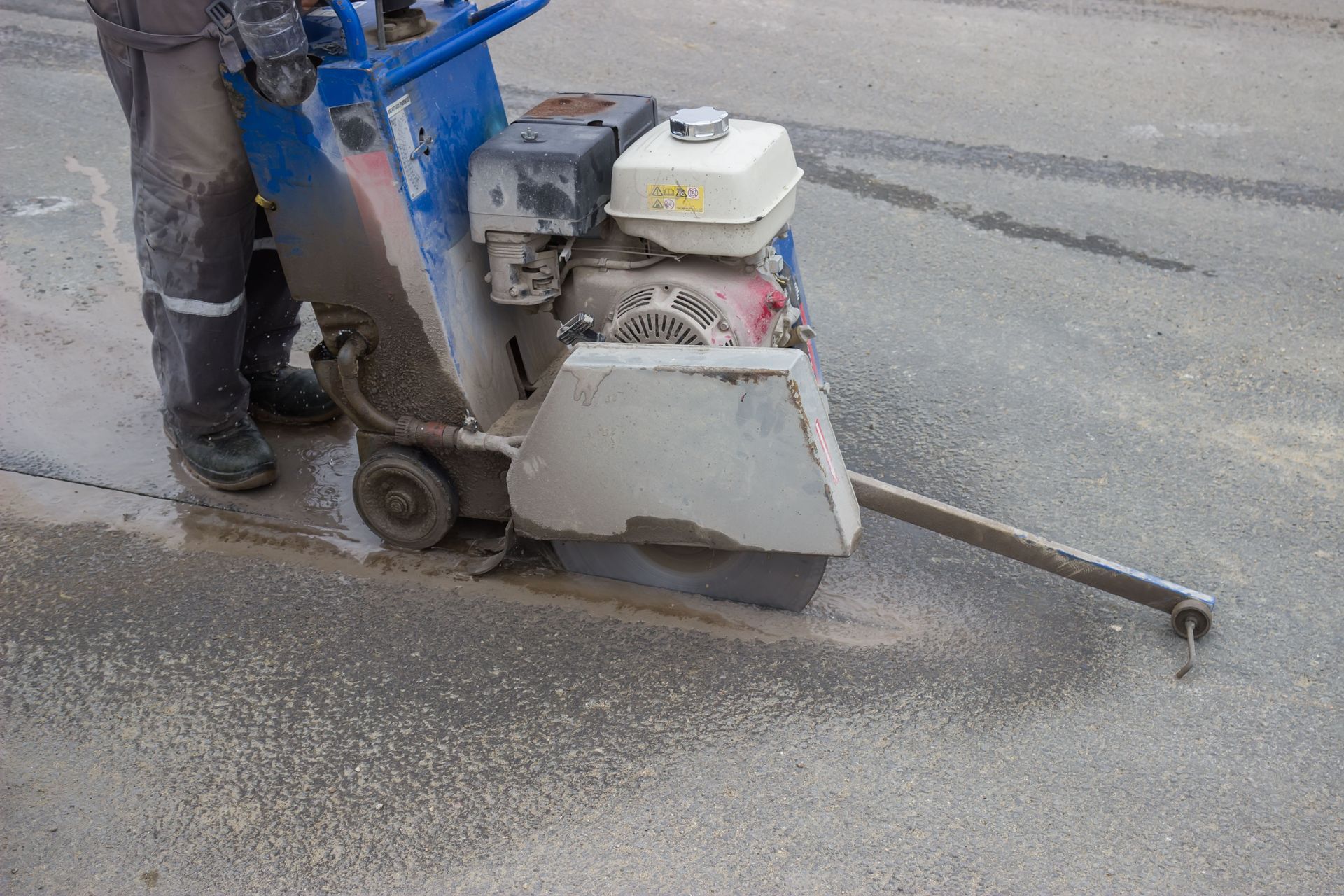
Different types of pavement damage require different restoration methods. Crack filling involves cleaning existing openings and applying suitable materials to limit water infiltration. Patching addresses localized potholes and damaged sections by removing deteriorated pavement and installing replacement asphalt.
Sealcoating provides a protective surface treatment that helps limit damage from moisture, sunlight, and certain automotive fluids. However, sealcoating does not correct structural defects and should generally follow necessary surface repairs.
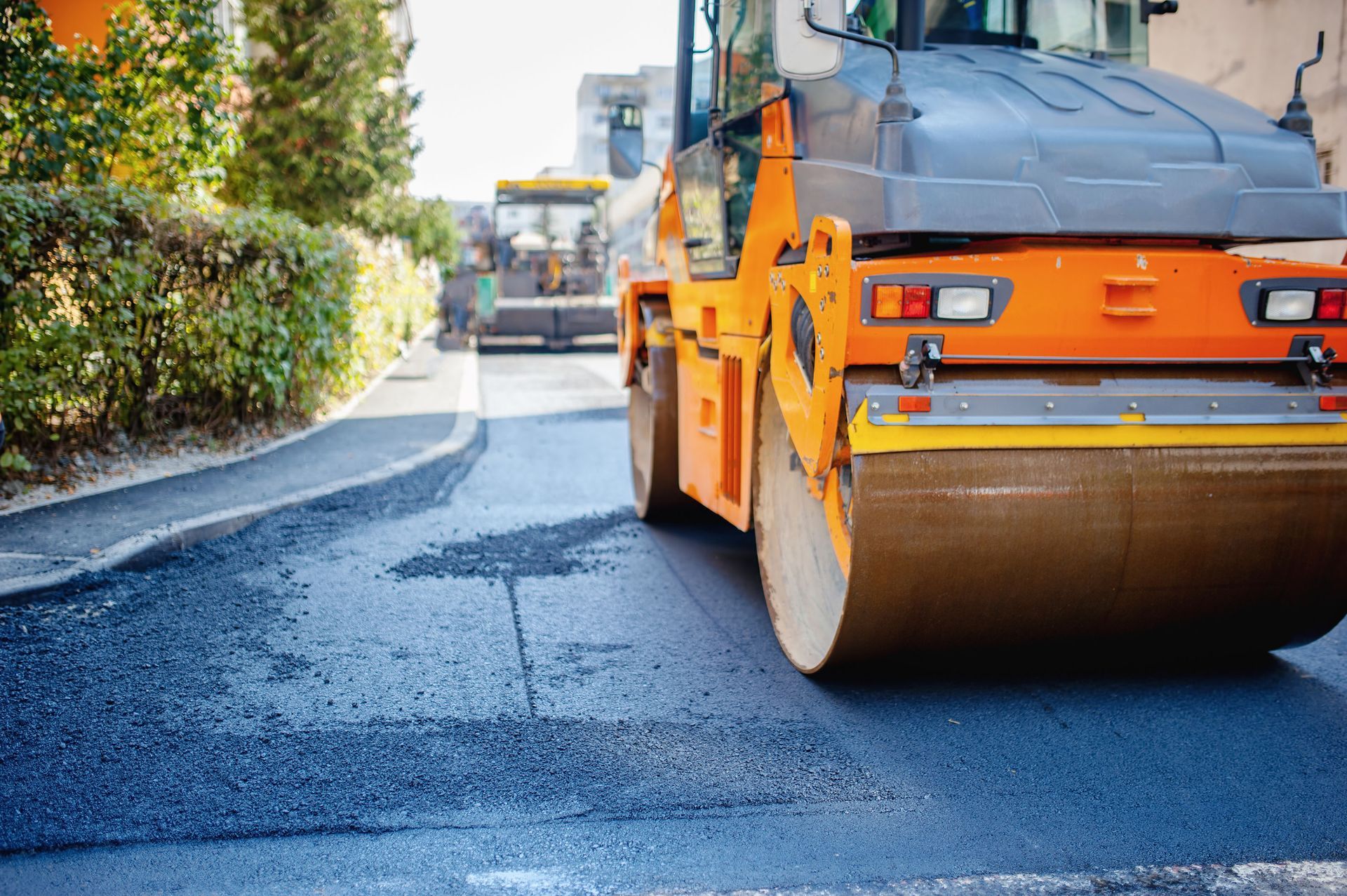
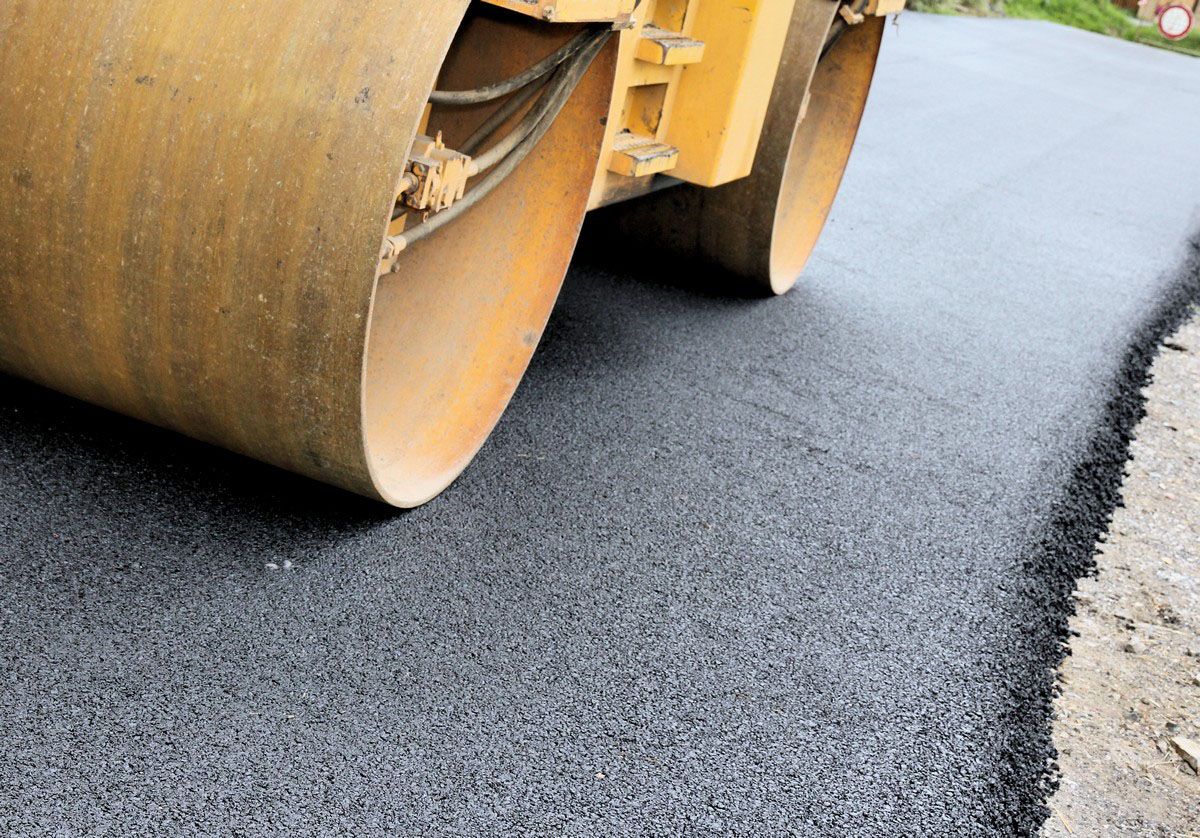
Overlaying involves installing a new asphalt layer over an existing driveway when its underlying foundation remains structurally sound. Severely deteriorated surfaces may require complete reconstruction or full-depth reclamation, depending on driveway conditions.
Infrared technology offers another option for certain localized asphalt repairs. This technique heats existing pavement, allowing technicians to rework damaged material and incorporate additional asphalt when appropriate. Selecting the correct method depends on damage severity, pavement condition, and the underlying cause of deterioration.
Understanding the Benefits of Professional Repair Services
Professional contractors can evaluate pavement conditions and recommend appropriate restoration methods. Their assessments may identify underlying drainage problems, inadequate foundation support, and structural weaknesses that are not immediately visible during routine homeowner inspections.
Experienced contractors also use specialized equipment and materials designed for different pavement conditions. Proper surface preparation, material selection, and compaction are essential for achieving durable results. Homeowners should request detailed estimates explaining the proposed work, anticipated timeline, and applicable warranty provisions.
Before beginning asphalt repairs, property owners should also discuss drainage improvements and any relevant local permit requirements. Comparing contractor qualifications, project specifications, and written warranties can help homeowners make informed decisions while avoiding unnecessary expenses.
Considering Environmentally Responsible Repair Methods
Environmental considerations can influence driveway maintenance and reconstruction decisions. Recycling existing asphalt reduces demand for newly produced materials and helps divert construction debris from landfills. Reclaimed asphalt pavement can often be incorporated into new mixtures when appropriate processing and quality standards are followed.
Contractors may also minimize environmental impacts through accurate material calculations, efficient transportation, and responsible waste management. Selecting suitable repair methods helps prevent unnecessary demolition when existing pavement remains structurally sound.
Homeowners interested in environmentally responsible asphalt repairs can ask contractors about recycled materials, available lower-emission equipment, and sealant formulations. Product specifications should be reviewed carefully to understand environmental characteristics, application requirements, and expected performance.
Maintaining Proper Drainage and Surface Protection
Effective drainage is essential for protecting repaired asphalt surfaces. Water should flow away from the driveway rather than accumulating in depressions or along pavement edges. Maintaining appropriate grading and keeping nearby drainage channels clear helps prevent moisture from weakening the underlying foundation.
Routine cleaning also supports pavement longevity. Removing accumulated leaves, dirt, and debris helps maintain drainage while improving the driveway's appearance. Automotive fluid spills should be cleaned promptly using products suitable for asphalt surfaces.
Sealcoating may provide additional protection when applied according to pavement conditions and manufacturer recommendations. Homeowners should avoid applying protective coatings over unresolved structural damage because surface treatments cannot correct underlying foundation problems.
Establishing a Seasonal Driveway Maintenance Routine
Seasonal inspections help homeowners recognize developing pavement problems before they become extensive. Spring inspections can reveal damage caused by winter freezing and thawing, while summer evaluations provide opportunities to identify fading, surface softening, and emerging cracks.
During autumn, removing leaves and clearing drainage pathways helps prepare driveways for colder weather. Winter maintenance should involve appropriate snow removal practices and careful selection of ice-control products to minimize unnecessary pavement damage.
Timely asphalt repairs contribute to safer, more attractive, and longer-lasting residential driveways. Combining appropriate restoration techniques with preventive maintenance allows homeowners to protect their pavement, manage long-term expenses, and preserve their property's curb appeal. Consistent upkeep also helps ensure driveways remain functional throughout changing seasons and everyday use. Contact our team at Jade Smith Paving today and learn more about our paving services.