November 5, 2026
Your pavement faces a different challenge every few months. Rain, heat, cold snaps, and falling leaves all take a toll on asphalt, and each season leaves its own mark on driveways and parking lots. Understanding how the weather affects your surface helps you spot problems early and schedule blacktop repair at the right time. Below, we break down what each season does to your pavement and how you can plan repairs around the calendar.
How Spring Rain Exposes Hidden Damage
Spring often reveals the damage winter left behind. As temperatures climb and ice melts away, homeowners and property managers start noticing cracks, potholes, and crumbling edges that weren't there in the fall. In the Pacific Northwest, spring also brings frequent rain, and that steady moisture can make existing problems worse.
Water is asphalt's biggest enemy. When rain seeps through small cracks, it reaches the base layer beneath the surface and weakens the foundation that supports your pavement. Over time, the base softens, shifts, and erodes, which causes the asphalt above it to sink, crack, or break apart. A crack you could barely see in March can turn into a pothole by May.
Spring is a smart time to walk your property and take note of any new damage. Look for standing water, alligator cracking, raised or sunken areas, and loose gravel along the edges. Scheduling blacktop repair as soon as the weather allows helps you stop water damage before it spreads deeper into the base. Crews can often complete crack filling and patching on dry spring days between rain showers, so you don't have to wait until summer to address urgent issues.
How Summer Heat Softens the Surface
Hot weather brings its own set of challenges. Asphalt is a flexible material made from aggregate and a petroleum-based binder, and that binder responds to temperature. On hot afternoons, pavement absorbs heat from the sun and softens, especially if it's new or hasn't had a recent sealcoat. Heavy vehicles, parked trailers, and even motorcycle kickstands can leave dents, ruts, and scuff marks in the softened surface.
The sun also causes a slower, less obvious type of damage. Ultraviolet (UV) rays break down the binder over time through a process called oxidation. As the asphalt oxidizes, it fades from deep black to gray, loses its flexibility, and becomes brittle. Brittle pavement cracks more easily once cooler weather returns. Faded, chalky pavement is a clear sign that your surface needs protection before the damage goes deeper.
Despite these risks, summer offers excellent conditions for many types of blacktop repair. Asphalt mixes need warm temperatures to compact and bond properly, and long, dry days give patches and resurfacing projects time to set. Summer is also a popular time for sealcoating, which adds a protective layer that shields your pavement from UV rays, water, oil, and gasoline. Keeping cars off freshly repaired areas during the hottest part of the day helps the new asphalt cure without scuffing.
How Fall Temperatures Create Ideal Repair Conditions
Many paving professionals consider fall one of the most productive seasons of the year. Mild temperatures, lower humidity, and drier days create favorable conditions for asphalt work before winter arrives. In our experience, asphalt installation and repair work performs well when air temperatures stay above 50 degrees, and early fall usually meets that mark.
Fall also gives you a final opportunity to prepare your pavement for the harsh months ahead. Any crack you leave open in October becomes an entry point for water in December. Sealing cracks, patching potholes, and applying sealcoat before the first freeze creates a protective barrier that limits moisture damage through the winter.
Falling leaves present another concern. Wet leaves trap moisture against the surface and can stain the pavement, while clogged drains allow water to pool on your driveway or parking lot. Clearing debris regularly and checking that water flows away from your pavement will help your fall blacktop repair efforts last longer. If you notice drainage problems, ask a professional to evaluate the slope of your surface before winter rain makes things worse.
How Winter Freeze-Thaw Cycles Widen Cracks
Winter causes more pavement damage than any other season, and the freeze-thaw cycle is the main reason. When water seeps into cracks and the temperature drops, the water freezes and expands. That expansion pushes against the surrounding asphalt and forces the crack open wider. When the ice melts, more water flows into the larger opening, and the process repeats each time temperatures swing above and below freezing.
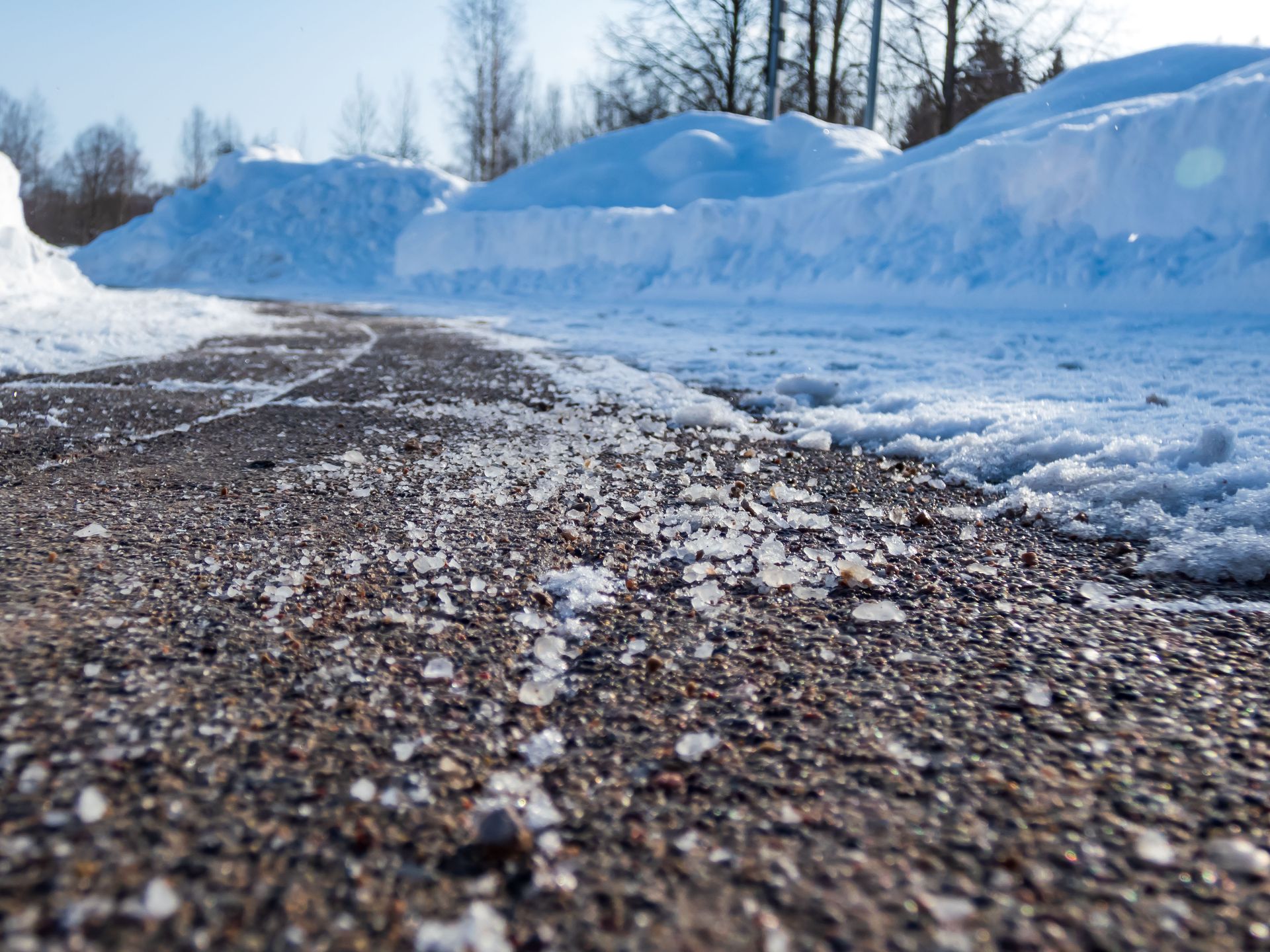
Even regions with relatively mild winters, like the Portland area, experience enough freeze-thaw activity to cause noticeable damage. Snowplows, shovels, and deicing chemicals add even more wear, scraping the surface and breaking down the binder that holds the asphalt together. Salt and chemical residue can also eat away at sealcoating, leaving the surface exposed to moisture when spring arrives.
Cold temperatures also limit the types of repairs that crews can perform. Hot asphalt cools too quickly in freezing weather to compact properly, so most permanent work waits until conditions improve. However, emergency blacktop repair is still possible during winter. Professionals can use cold patch materials to temporarily fill dangerous potholes and keep your driveway or parking lot safe until warmer weather allows for a more permanent fix. Addressing hazards right away protects drivers, pedestrians, and your property from further damage.
How Professionals Plan Repairs Around the Seasons
Timing plays a major role in how long your repairs last, and an experienced paving contractor knows how to work with the weather rather than against it. According to IBISWorld, 139,000 businesses make up the paving contractor industry across the country, so you have plenty of options. However, not every company has the local knowledge and experience to handle seasonal challenges correctly. Choosing a licensed professional means your blacktop repair will use the right materials, techniques, and timing for your climate.
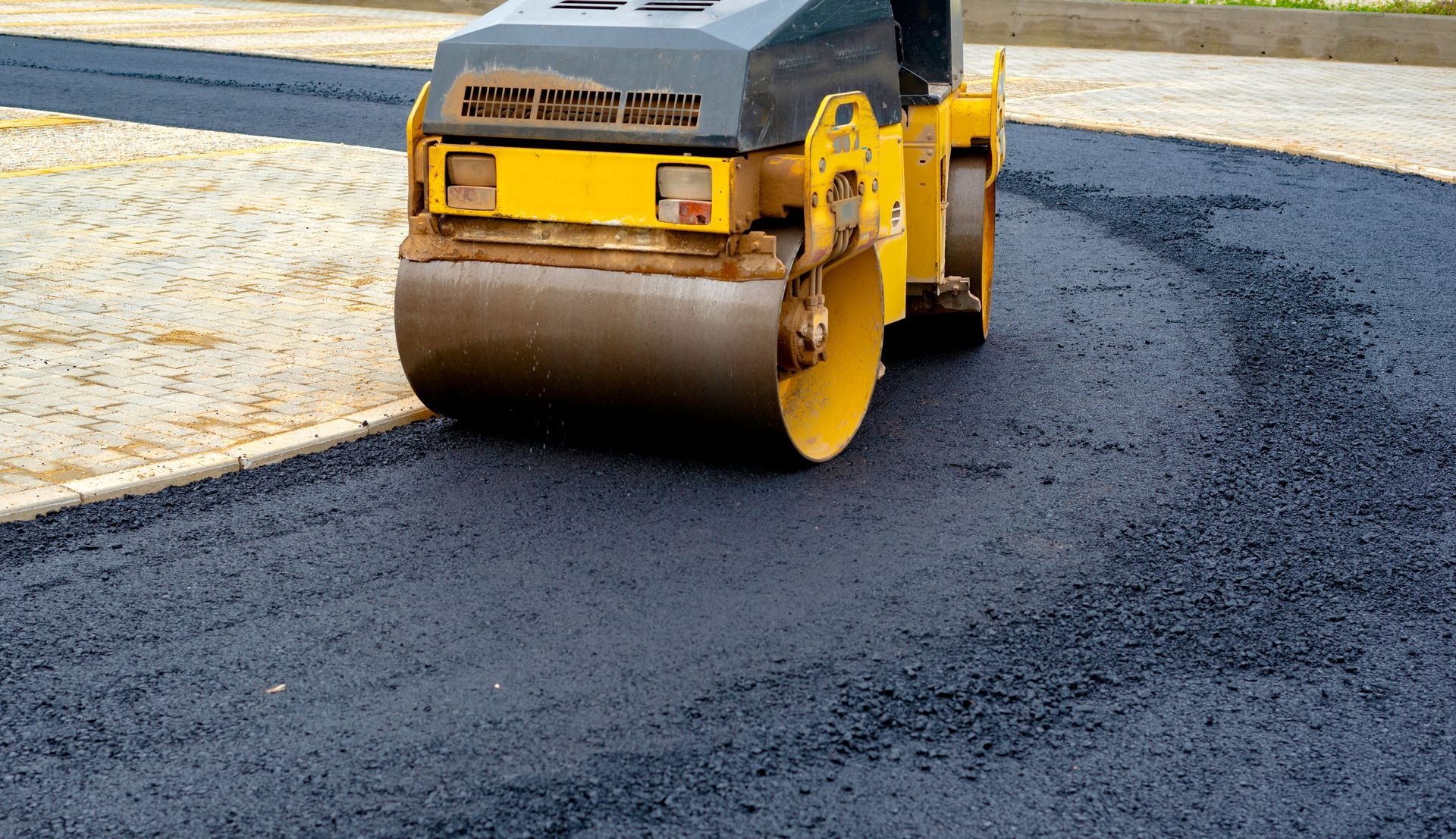
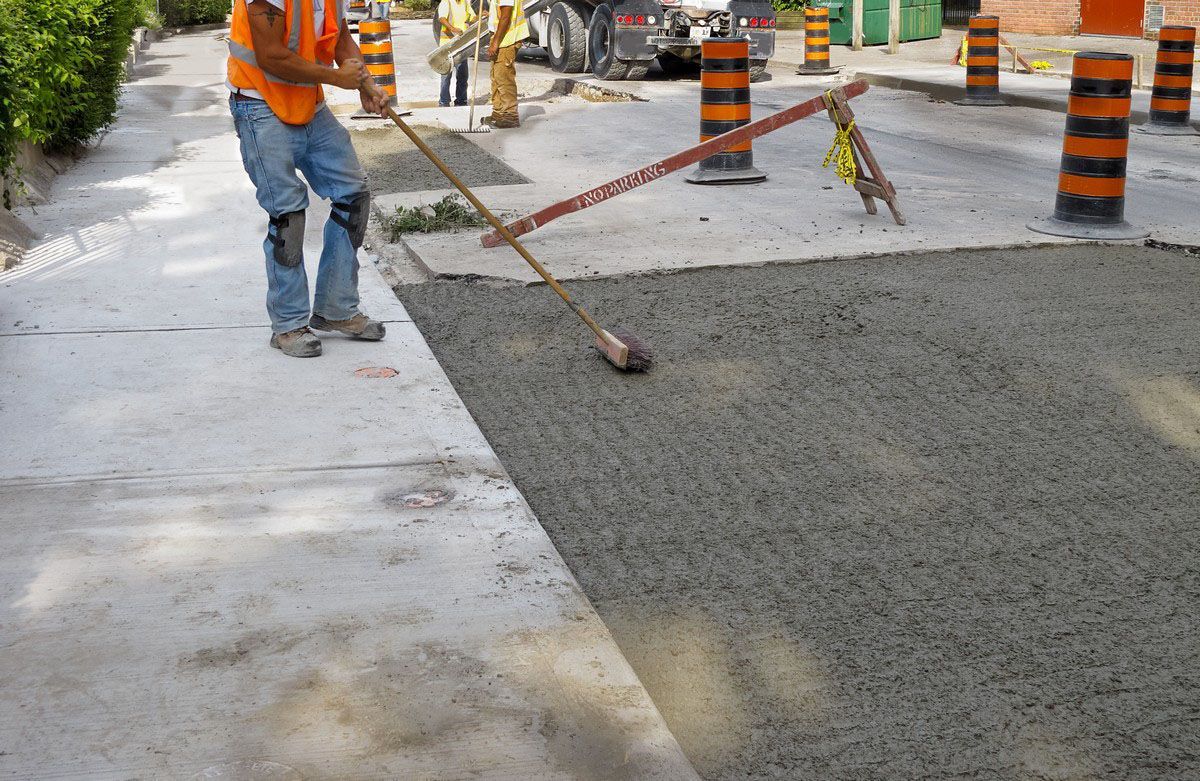
A professional crew starts by assessing the full condition of your pavement, including the base layer beneath it. Surface cracks sometimes point to deeper structural problems, and treating only the visible damage can lead to repeat repairs. Depending on what they find, they may recommend crack filling, patching, pothole repair, resurfacing, or sealcoating. A skilled crew also knows how to prepare the area, compact new material, and blend repairs with the surrounding surface for a smooth, uniform finish.
Professionals also help you build a maintenance schedule around the seasons. In our experience, sealcoating every two to three years and inspecting your pavement each spring and fall helps catch problems early and extends the life of your surface. Regular, well-timed blacktop repair costs far less than a full replacement, and it keeps your property looking clean and well-maintained throughout the year.
Every season affects your pavement differently. Spring rain exposes hidden damage, summer heat softens and oxidizes the surface, fall offers a valuable window for preventive work, and winter's freeze-thaw cycles turn small cracks into major problems. By paying attention to these changes and scheduling blacktop repair at the right time, you can protect your investment and avoid costly surprises.
If your driveway or parking lot needs attention, don't wait for the next season to make the damage worse. At Jade Smith Paving, we provide professional blacktop repair for residential and commercial properties throughout the Portland, OR area. We offer free estimates and back our work with a one-year workmanship warranty. Call us today at (503) 389-8504 to schedule your estimate!