July 28, 2026
We understand that proper asphalt maintenance is key to the longevity and safety of roadways and driveways, making it a crucial skill for professionals in the field. Whether dealing with minor wear and tear or substantial damage, this guide will provide the insights necessary to manage any repair efficiently. By following these best practices, professionals can ensure that their repairs not only meet but exceed industry standards.
Understanding Asphalt Composition and Deterioration
Basics of Asphalt Composition
Asphalt is predominantly composed of aggregates, binder, and filler materials. Aggregates, which include sand, gravel, and crushed stone, form the bulk of asphalt mixtures, providing structural strength and stability. The binder, typically a petroleum-based product known as bitumen, acts as the adhesive, holding the aggregates together. Filler materials, often comprising minerals like limestone dust, enhance the mixture's durability. Understanding the proportions and quality of these components is crucial for creating a robust asphalt surface.
Common Causes of Asphalt Deterioration
Asphalt deterioration can be attributed to a variety of environmental and mechanical factors that impact its integrity over time. Water is the primary adversary, as it infiltrates the asphalt surface and causes the binder to break down. Temperature fluctuations, especially freeze-thaw cycles, exacerbate this breakdown, leading to cracks and potholes. Additionally, the constant stress from vehicle traffic can contribute to mechanical wear, particularly in high-traffic areas. Preventive measures, such as timely sealing and proper drainage systems, are essential to mitigate these effects.
Signs of Asphalt Damage
Recognizing the early signs of asphalt damage allows for prompt intervention, potentially saving time and resources. Common indicators include surface cracks, which can develop into larger fissures if not addressed. Potholes, loose aggregates, and surface depressions also signal underlying structural issues. Discoloration or fading is another warning sign, often resulting from UV exposure and oxidation. Routine inspections can help identify these signs early, enabling timely repairs and prolonging the life of the asphalt surface.
Assessing the Severity of Damage
Evaluating the severity of asphalt damage is a critical step in planning an effective repair strategy. Professionals must consider both the surface and subsurface conditions to determine the most suitable repair approach. Techniques such as core sampling and ground-penetrating radar can provide insights into the health of the underlying layers. It's crucial to distinguish between surface-level issues and more severe structural damage to apply the right solution. Accurate assessment ensures that resources are efficiently allocated to the most pressing problems.
Preventative Measures for Asphalt Longevity
Preventative maintenance plays a pivotal role in extending the lifespan of asphalt surfaces. Regular sealing, according to The Spruce, should occur within six months of installation and be repeated every one to three years. This practice safeguards the surface against water infiltration and UV damage. Additionally, keeping the surface clean and free of debris can prevent minor issues from escalating into major repairs. Implementing these strategies not only preserves the asphalt but also optimizes performance and safety for users.
Knowing the Essential Tools and Materials for Asphalt Repair
The Right Asphalt Mix for Your Project
Selecting the appropriate asphalt mix is a foundational aspect of executing successful repairs. Different repair situations call for specific types of mixes, such as hot mix asphalt for extensive areas and cold patch for minor, quick fixes. It's essential to consider factors like climate, traffic load, and turnaround time when selecting the mix. Consulting with suppliers who provide quality materials can aid in making informed decisions. The right choice enhances the repair's durability and reduces future maintenance requirements.
Equipment Needed for Asphalt Repairs
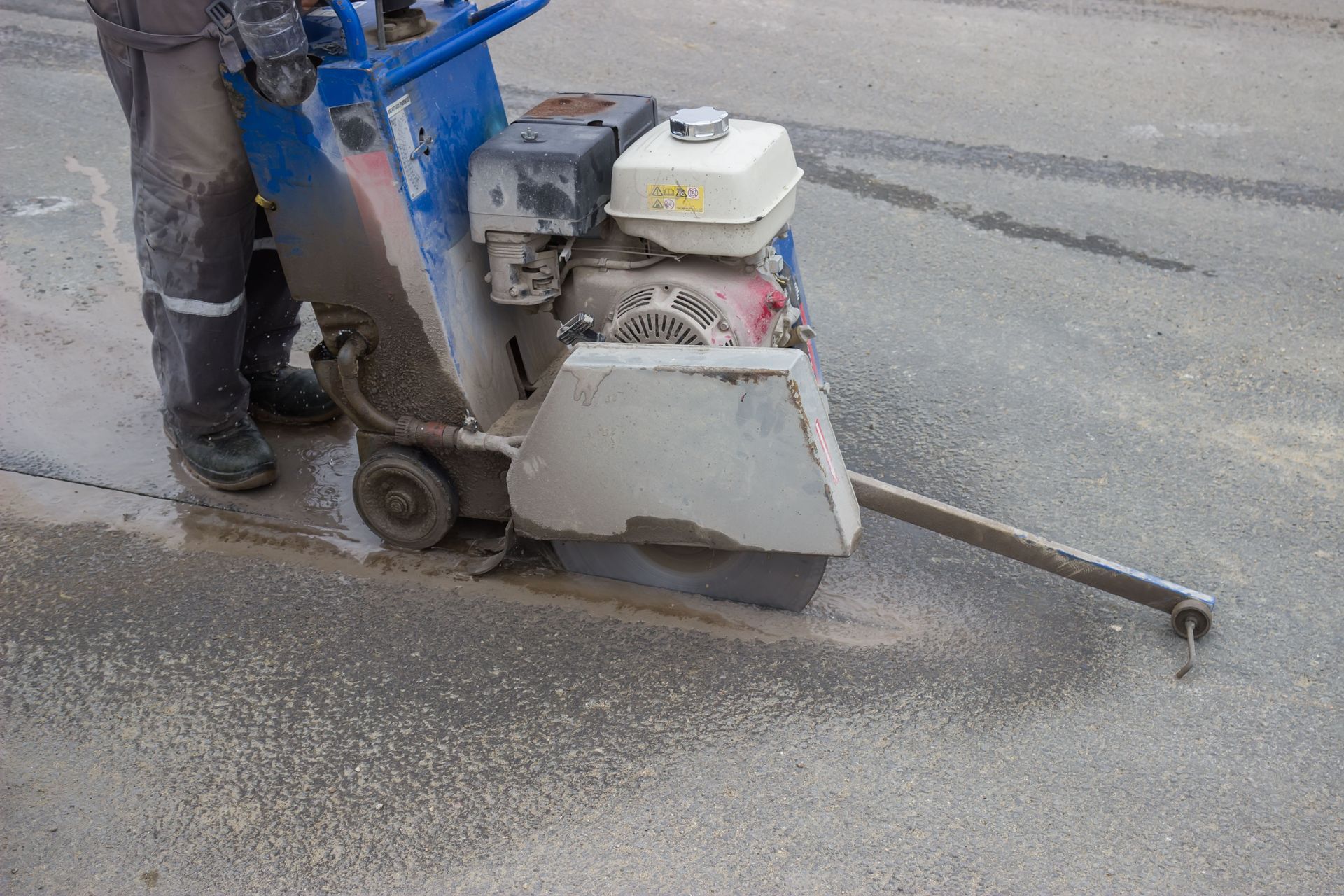
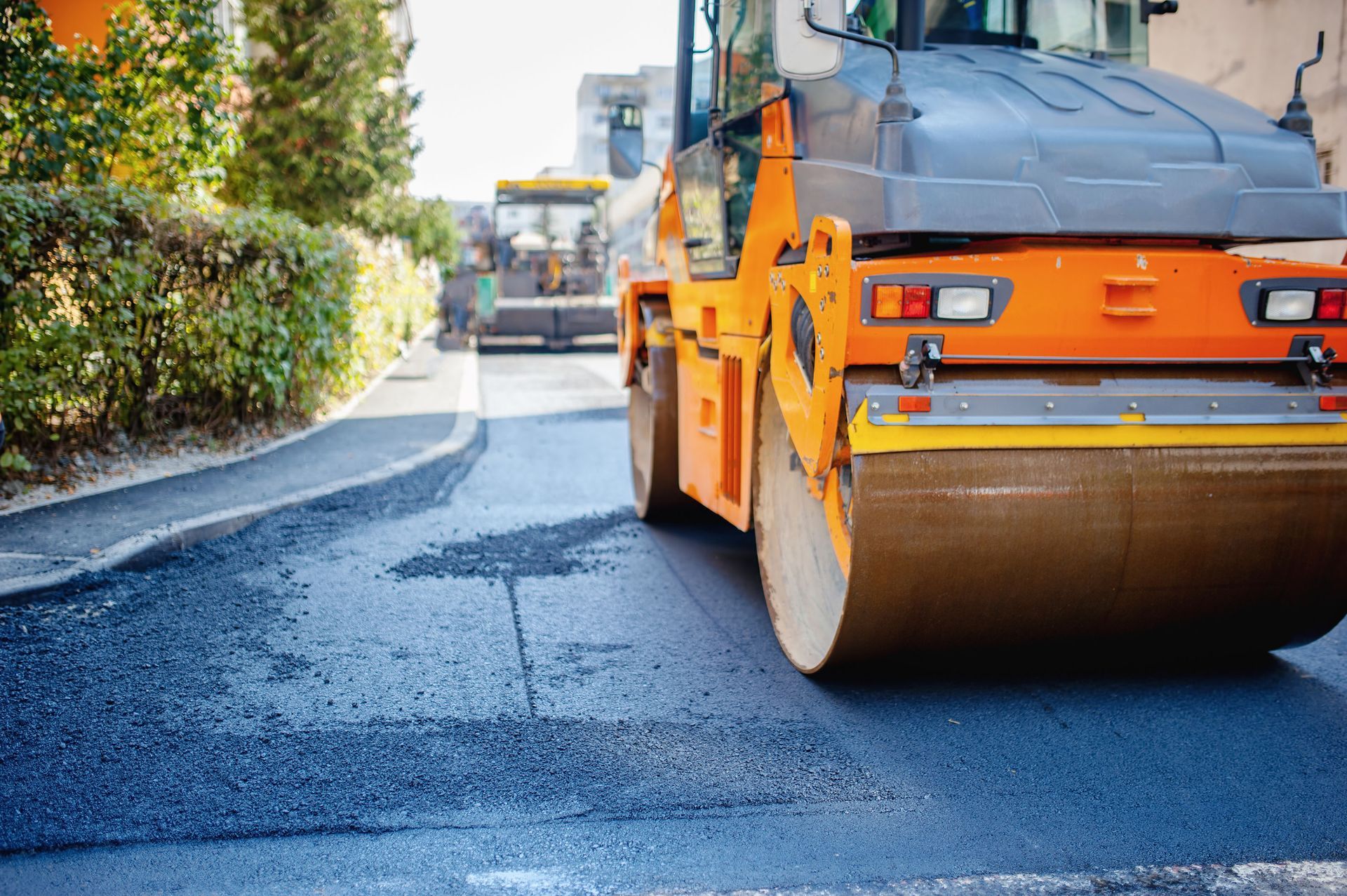
A successful asphalt repair project necessitates a range of equipment tailored to the scope of the task. Basic tools like shovels, brooms, and asphalt saws are staples for surface preparation. For larger-scale projects, heavy machinery such as rollers, compactors, and paving machines is indispensable. Each piece of equipment plays a specific role in ensuring the quality and efficiency of repairs. Understanding the capabilities and limitations of these tools is key to their effective use.
Safety Gear and Precautions
Ensuring a safe working environment is paramount during asphalt repair activities. Professionals should be equipped with personal protective equipment such as helmets, gloves, and reflective vests to minimize risk. It's also important to implement traffic control measures around the repair site to protect both workers and passersby. Safety training that includes proper equipment handling and emergency procedures can further enhance workplace safety. By prioritizing safety, professionals can prevent accidents and ensure smooth project execution.
Maintenance of Tools and Equipment
The longevity and efficiency of repair equipment are maintained through diligent care and maintenance. Regular inspections and servicing can prevent breakdowns and extend the life of machinery. Proper storage conditions are also crucial, particularly for equipment exposed to weather elements. Implementing routine maintenance schedules ensures that tools are ready for use when needed. Timely repairs of any identified faults prevent minor issues from evolving into costly replacements.
Practicing the Step-by-Step Guide to Asphalt Patching
Preparing the Affected Area
Thorough preparation of the damaged area sets the foundation for successful asphalt patching. The process begins with cleaning the site to remove dirt, debris, and existing loose asphalt. This is followed by trimming the edges of the damaged section to create a neat, rectangular area that ensures better adhesion. Any water present in the area should be removed to prevent compromising the new patch's integrity. Once the area is clean and dry, professionals can proceed with the patching process.
Applying the Asphalt Patch
The application of asphalt patch material requires precision to achieve a durable repair. The selected mix should be spread evenly over the prepared area, using shovels and rakes to achieve adequate coverage. Attention must be paid to the temperature of the mix, as it influences the patch's performance and workability. It's essential to slightly overfill the patch area to allow for settling and compaction. Once applied, the next crucial step is to compact the material thoroughly.
Compacting to Level the Patch
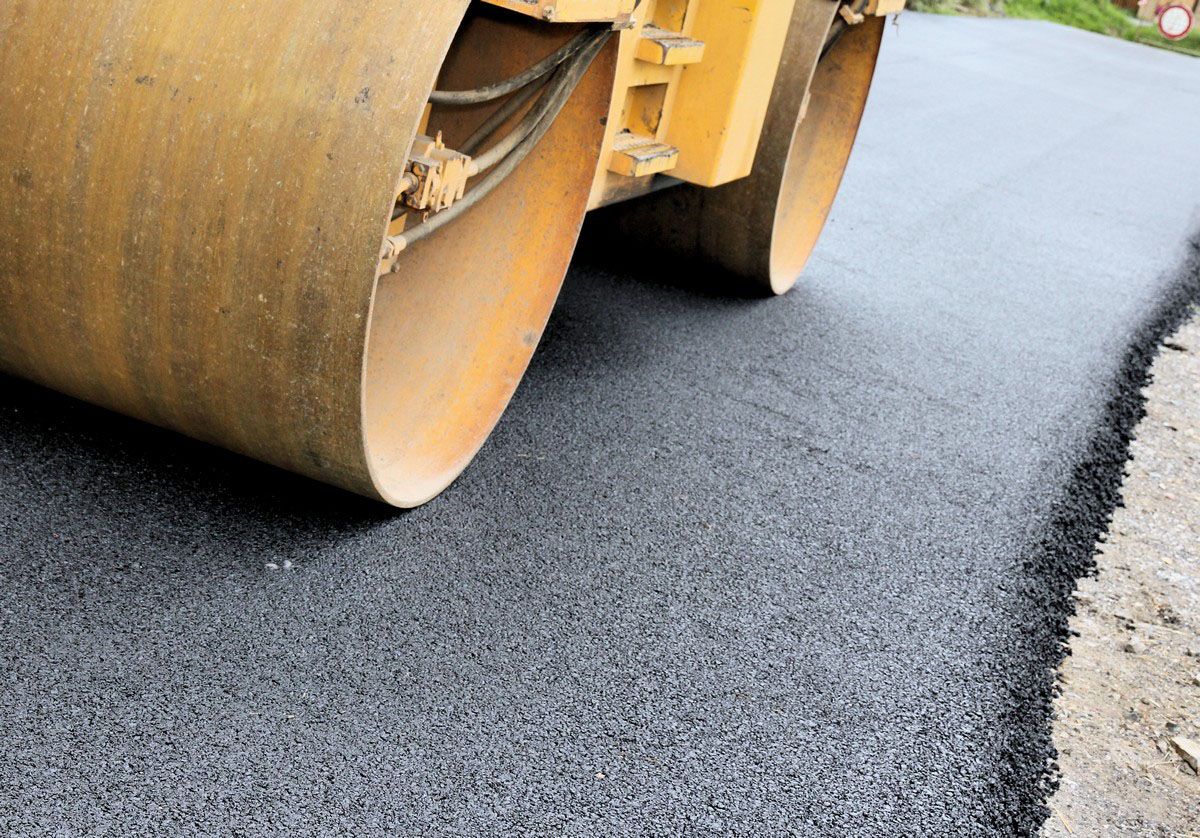
Compaction is vital to bind the new asphalt patch to the existing surface securely. Using a plate compactor or roller, professionals should apply even pressure to eliminate air pockets and ensure bond strength. Careful attention is paid to achieve a level surface that blends seamlessly with the surrounding asphalt. The compaction process is typically repeated multiple times until the desired density and smoothness are achieved. Proper leveling and compaction contribute significantly to the durability of the repair.
Curing Process and Timeframe
After application and compaction, allowing the patch time to cure is essential to ensure it holds up under traffic conditions. The curing timeframe can vary based on weather conditions, the type of asphalt used, and the depth of the patch. It's critical to avoid opening the repaired area to traffic too soon, as premature exposure can damage the patch. Typically, a curing period of at least 24 to 48 hours is recommended for optimal results. Monitoring the temperature and environmental conditions helps determine the appropriate curing duration.
Finishing With Quality Assurance and Inspection
Post-repair inspections are crucial for quality assurance, ensuring that the patch meets industry standards and client expectations. Inspections should verify the patch's integration with the existing surface, checking for issues like unevenness or improperly sealed edges. Any defects identified during the inspection should be addressed promptly to prevent future complications. Gathering feedback from these inspections aids in refining repair techniques and processes. Quality assurance is imperative to the repair's success and the professional's reputation.
From selecting the appropriate mix and meticulously preparing the site to executing flawless compaction and allowing for proper curing, every step plays an indispensable role in a repair's long-term durability. By combining these proven patching techniques with consistent preventative care, paving professionals can transform temporary fixes into resilient, high-performing surfaces. Making this upfront investment in quality execution not only protects the structural integrity of roadways and driveways but also safeguards budgets and ensures safety for all who travel on them. To ensure your next asphalt project is executed with this level of industry-leading precision and durability, contact the dedicated team at Jade Smith Paving today.