April 3, 2026
Paving your driveway is a significant home improvement project that combines practicality with visual appeal. A properly paved driveway provides a smooth, durable surface for vehicles while boosting your property’s curb appeal. Planning ahead is essential to ensure your investment meets your functional and aesthetic goals. Evaluating material options, installation techniques, and budget considerations will help you make decisions that result in a long-lasting driveway. Understanding these key points prepares you for working effectively with a paving contractor, ensuring the project proceeds smoothly from start to finish.
Assess Your Driveway Needs
Understand its Purpose
The first step when planning a driveway is to define its purpose. Some driveways serve primarily for daily parking, while others must support heavier vehicles like trucks or trailers. Identifying how the space will be used helps a paving contractor determine the most suitable materials and construction methods. Properly matching your driveway's design to its intended use ensures safety, durability, and long-term satisfaction.
Evaluate Current Condition
Before beginning a project, inspect the existing driveway for cracks, holes, or drainage issues. Addressing these concerns in advance ensures the new surface will have a solid foundation. Many professionals recommend conducting a soil test to check the ground’s bearing capacity, particularly in areas prone to settling or shifting. A thorough evaluation helps prevent future issues and allows your paving contractor to plan accordingly.
Measure Dimensions
Accurate measurements of your driveway are essential for planning materials and labor. Measure the length and width carefully, accounting for curves or irregular shapes. Material thickness is another important factor. According to The Spruce, asphalt driveways should be at least two inches thick, with four to six inches recommended for greater durability and longevity. Precise dimensions help avoid material shortages or excess spending.
Consider Climate Factors
Climate affects which materials and installation methods will perform best. Cold climates with freeze-thaw cycles require pavements that resist cracking, while hotter climates need surfaces that withstand heat-induced expansion and UV exposure. Discussing local climate conditions with a paving contractor ensures your driveway is built to last in your environment.
Analyze Traffic Load
Knowing how often and what types of vehicles will use your driveway informs design decisions. Heavier or frequent traffic may require a stronger base and thicker paving materials, whereas light, occasional traffic allows for simpler construction. A clear understanding of traffic load helps balance cost with durability.
Pick The Right Materials With Asphalt
Evaluate Asphalt Benefits
Asphalt is a cost-effective and versatile driveway material. It is generally more affordable upfront and easier to install than other options, making it a practical choice for most homeowners. Asphalt also allows for quick repairs and provides reliable traction, even in snowy or wet conditions.
Consider Cost Factors
Asphalt's lower initial cost per square foot makes it a budget-friendly option for driveway paving projects. When planning, include additional expenses such as sealants, periodic maintenance, and minor repairs. A careful cost analysis ensures the project remains affordable without compromising quality.
Assess Durability and Maintenance
While asphalt is durable, it requires regular sealing every couple of years to maintain flexibility, prevent cracks, and preserve its appearance. Understanding these maintenance needs helps homeowners plan for the long-term care of their driveway.
Align With Aesthetic Preferences
Asphalt offers a smooth, sleek black finish that naturally darkens over time, enhancing the visual appeal of your property. Its classic appearance complements most home exteriors and provides a clean, uniform look.
Consider Environmental Impact
Asphalt production releases hydrocarbons, but using recycled asphalt can reduce environmental impact and support sustainable practices. Permeable asphalt options also help manage water drainage and reduce runoff. Consulting with your paving contractor ensures environmentally conscious choices that meet your driveway needs.
Understand the Installation Process
Prepare the Site
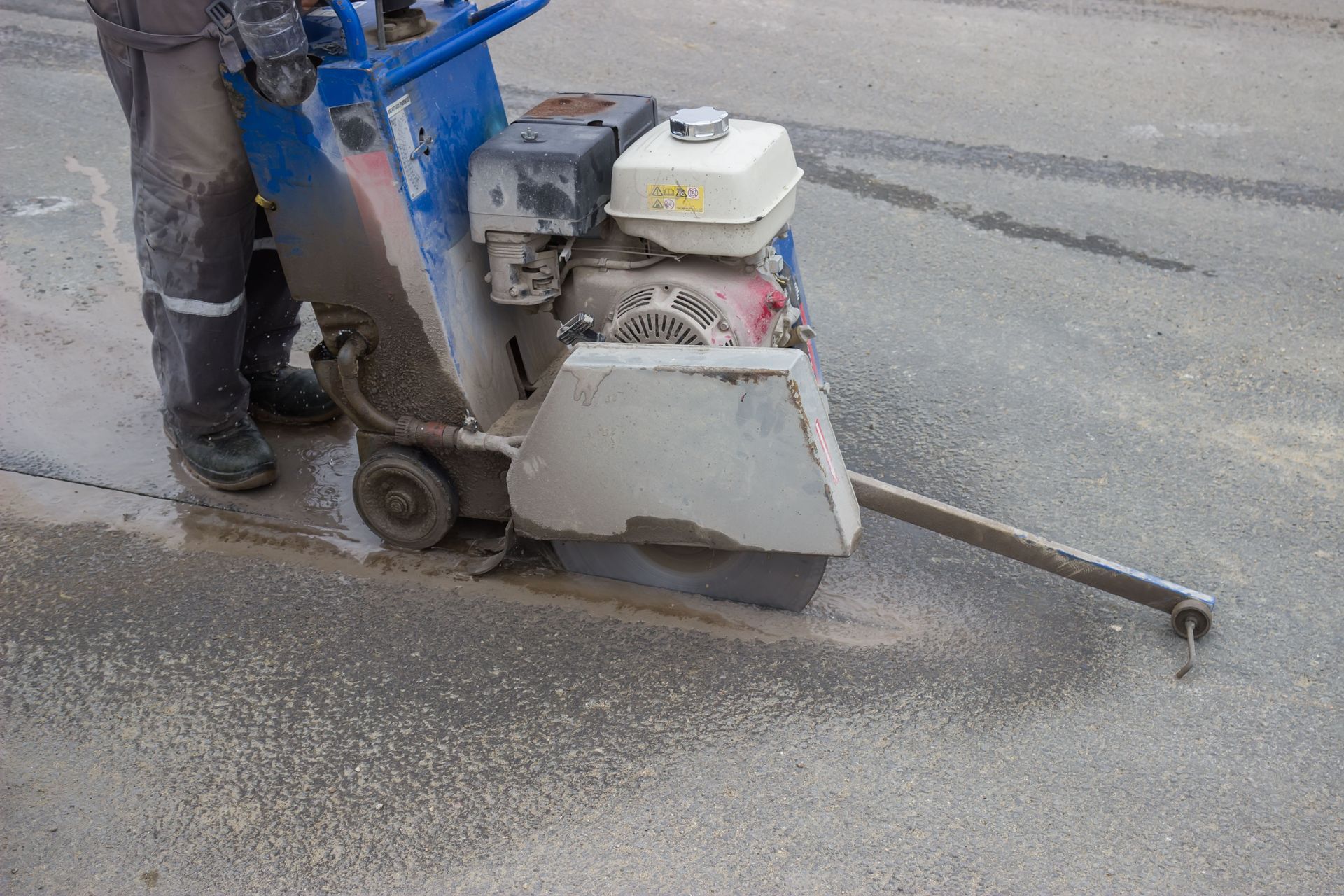
Site preparation is key to a successful installation. Clear debris, vegetation, or structures that may interfere with paving. Excavation may be needed to achieve a level base, and soil stabilization can improve long-term performance. Proper site preparation reduces the risk of surface imperfections or settlement.
Grade and Slope Correctly
Grading ensures water drains away from your home and prevents erosion or ponding. A gentle slope combined with professional equipment creates an even, durable surface. Proper drainage reduces long-term damage and helps your paving contractor install a high-quality driveway.
Lay the Foundation
The foundation supports the paving material and contributes to longevity. Compacted gravel or crushed stone is commonly used, with thickness tailored to traffic load and material type. A solid base prevents settlement and cracking, protecting the investment in your driveway.
Pave and Compact
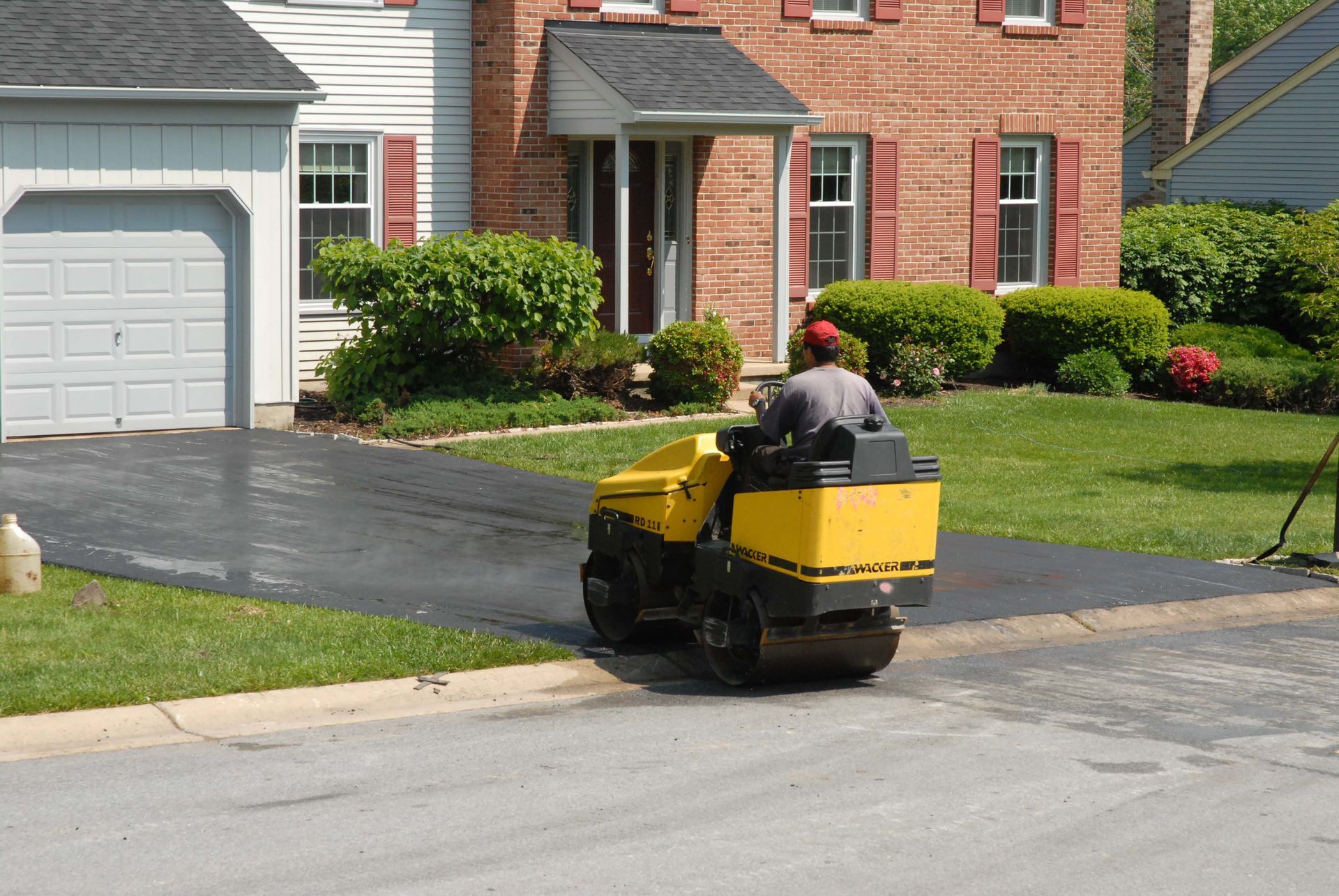
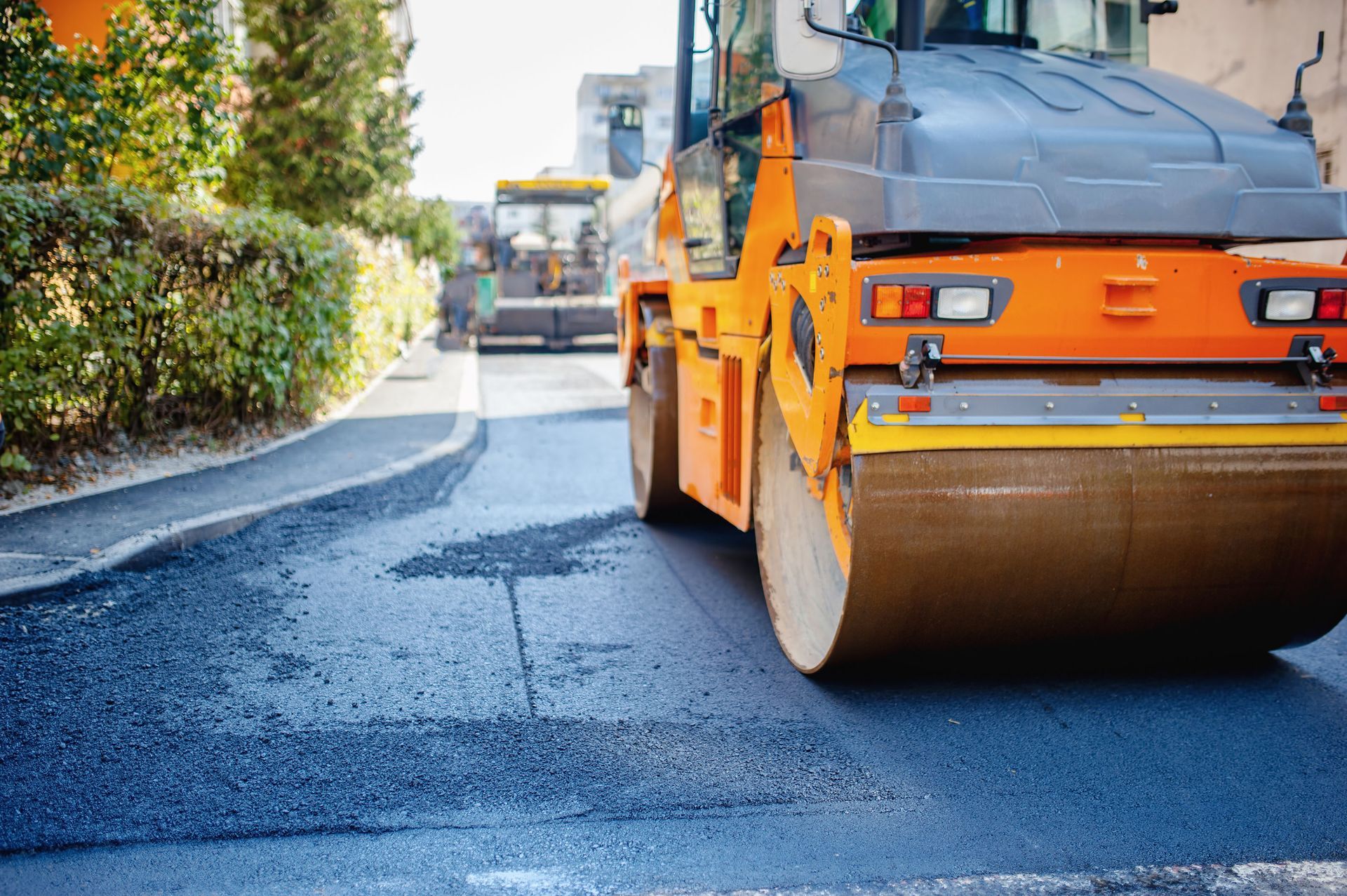
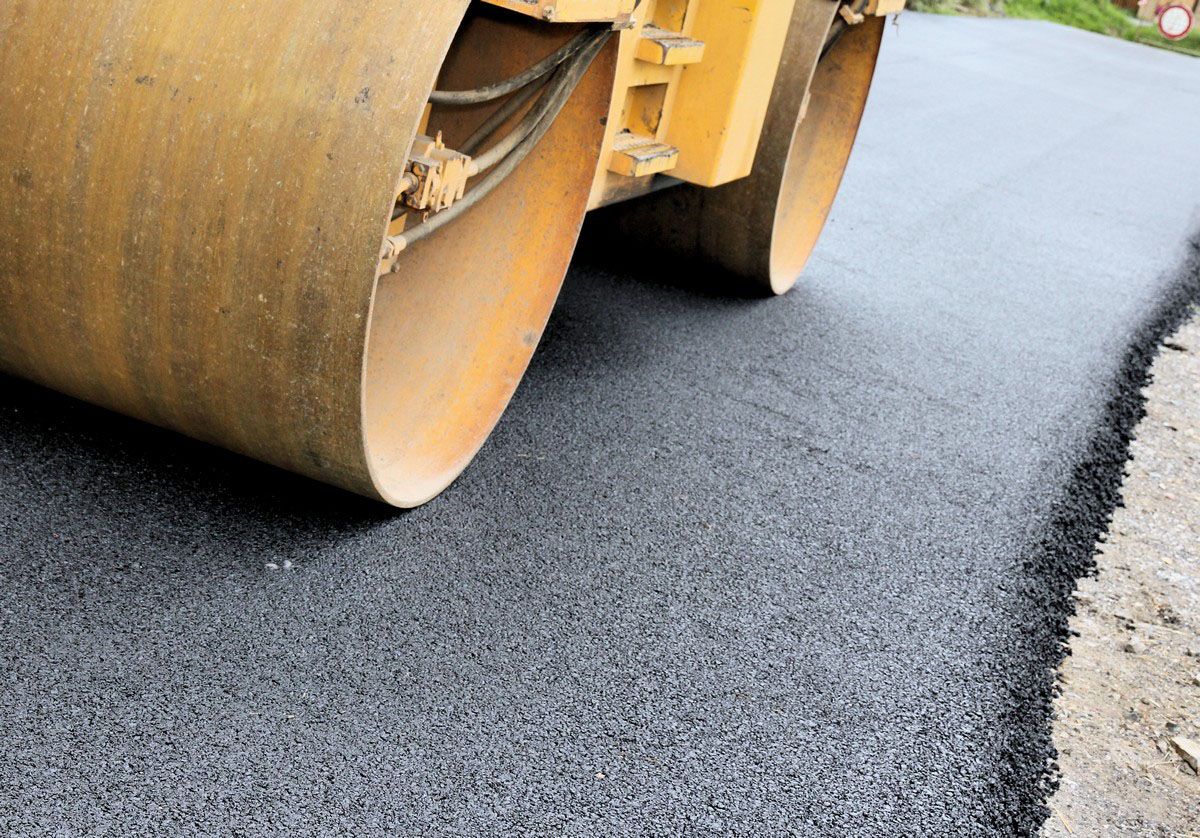
Paving requires even distribution and compaction of asphalt. Specialized machinery, such as rollers, ensures proper density and stability. Attention to detail during this phase ensures a smooth, long-lasting surface that performs well under traffic.
Finish With Curing and Sealants
Final steps include curing and finishing to protect and enhance your driveway. Sealants and decorative finishes can enhance appearance and longevity. Following these steps ensures a durable and visually appealing result.
Budget and Financing
Estimate Costs Accurately
Calculate the driveway area and select materials before gathering quotes. Include all aspects, such as installation, permits, landscaping, and ongoing maintenance. A clear estimate prevents unexpected expenses and allows informed planning with your paving contractor.
Explore Financing Options
Homeowners may use personal loans, home equity, or contractor financing to manage costs. Flexible payment options make projects more accessible while maintaining quality standards. Discuss available solutions with your contractor to find an approach that suits your budget.
Allocate for Contingencies
A contingency budget of ten to twenty percent covers unforeseen issues like soil irregularities or material delays. Planning for contingencies prevents disruptions and keeps your project on schedule.
Obtain Multiple Quotes
Request detailed quotes from at least three paving contractors. Compare costs, timelines, and services to make a well-informed selection. Thorough evaluation helps ensure quality results and prevents surprises.
Apply Cost-Saving Tips
Reduce expenses by handling minor site preparation, choosing simpler materials, or scheduling off-season installation. Thoughtful strategies can help manage your budget without compromising durability or appearance.
Find the Right Contractor
Research and Gather Referrals
Look for reputable paving contractors with positive reviews and recommendations. Personal referrals provide insight into reliability and workmanship, aiding in your decision-making process.
Check Credentials
Ensure contractors are licensed, insured, and experienced. Proper credentials protect you from liability and ensure the contractor can handle your project’s demands.
Understand Contract Terms
Review the contract carefully, clarifying scope, timelines, payment schedules, and warranties. Clear agreements prevent misunderstandings and provide legal protection.
Analyze Previous Work
Examine a contractor's portfolio to assess quality and versatility. Seeing past projects helps determine if their skills match your expectations.
Maintain Communication and Set Expectations
Effective communication with your contractor ensures alignment on materials, design, and schedule. Transparent dialogue minimizes delays and leads to a smoother project experience.
Maintain Your Paved Driveway
Clean Regularly
Routine cleaning removes debris, leaves, and dirt, preventing staining and deterioration. Occasional washing keeps the surface fresh and extends its life.
Seal and Repair Timely
Asphalt driveways benefit from sealing every couple years. Promptly repairing cracks or chips prevents further damage and maintains appearance.
Ensure Proper Drainage
Check that water flows away from the driveway to avoid structural issues. Maintain gutters and landscaping to protect the surface and foundation.
Prevent Damage
Avoid heavy vehicles or sharp objects on the driveway. Use gentle deicing methods and protect areas prone to leaks. Proactive measures safeguard your investment.
Adjust Care for Seasons
Prepare for seasonal stress by removing snow, controlling heat-related drying, and clearing autumn leaves. Tailored care improves longevity and appearance year-round.
Completing a driveway paving project requires thoughtful planning, from evaluating needs to choosing materials, budgeting, and working with a paving contractor. Following these steps ensures a durable, attractive surface that enhances your property and meets functional requirements. By maintaining your driveway with cleaning, sealing, and drainage checks, you preserve its quality for years to come. At Jade Smith Paving, we provide professional asphalt paving solutions designed to deliver reliable performance and long-lasting results. Contact us today to schedule a consultation and transform your driveway into a durable, appealing asset.